Discovering How Jesus Became Our True Covering and Atonement
Have you ever tried to fix something spiritual in your life with a natural solution, only to find it didn’t work? Perhaps you attempted to be “better,” covered your mistakes with excuses, or tried to hide your shame, yet the weight of guilt remained. Why do our best human efforts always fall short when it comes to sin? The truth is, humanity’s instinct is to cover rather than to heal. But God’s plan has always been far greater than our temporary fixes. It points us toward a solution that is permanent, complete, and life-giving. From fig leaves to the cross, Scripture reveals why every human attempt to cover sin failed and why redemption ultimately required God’s perfect sacrifice.
In this post, I will show you how our first attempts to hide sin—from Adam and Eve’s fig leaves to our own attempts at self-righteousness—point directly to Jesus as the ultimate atonement. You will learn how the fig leaves symbolize our natural, insufficient coverings, the meaning behind the withered fig tree, and how Christ’s sacrifice fulfilled God’s plan for redemption. By understanding this, we will see clearly how our failures are meant to lead us to God’s perfect solution.
Today we will walk through humanity’s instinct to hide sin, God’s corrective work in revealing our need for a Savior, and the profound truth of the cross. We will explore Scripture, uncover the spiritual lessons hidden in the fig leaves, and see how Jesus’ sacrifice transforms our relationship with God. By the end of this teaching, you will have a deeper understanding of why our coverings never work and why only Christ can make us truly whole.

Table of Contents
About This Teaching
This teaching examines the journey from humanity’s first attempt to cover sin with fig leaves to the redemptive power of Christ on the cross. We will trace the symbolic meaning of the fig leaves, explore their connection to human efforts to hide guilt, and examine how God’s plan always moves us from our insufficient attempts to His perfect provision. You will see how Scripture reveals the pattern of sin, shame, and redemption, and how understanding this pattern can deepen your faith and daily walk with Christ.
Key Takeaways
- Humanity’s instinct is to hide sin rather than seek healing.
- Fig leaves represent our insufficient, temporary coverings.
- God reveals the futility of self-effort to point us to Christ.
- The withered fig tree symbolizes judgment and the need for repentance.
- Christ’s sacrifice is the ultimate and permanent atonement.
- Our failures are designed to lead us toward God’s perfect solution.
- Understanding this journey strengthens faith and spiritual discernment.
- From fig leaves to the cross, God’s plan for redemption is unchanging.
Bible References
- Romans 5:12
- Genesis 3:7
- Hebrews 9:22
- Matthew 27:51
- John 1:29
- Luke 24:46-47
- Isaiah 53:5
- 2 Corinthians 5:21
You can explore more Scriptures on this topic by visiting https://www.biblegateway.com
Download This Teaching
https://revelationwriting.com/wp-content/uploads/2025/12/From-Fig-Leaves-to-the-Cross.pdf
The Fig Leaves: Humanity’s First Covering
Our Instinct to Hide Instead of Heal
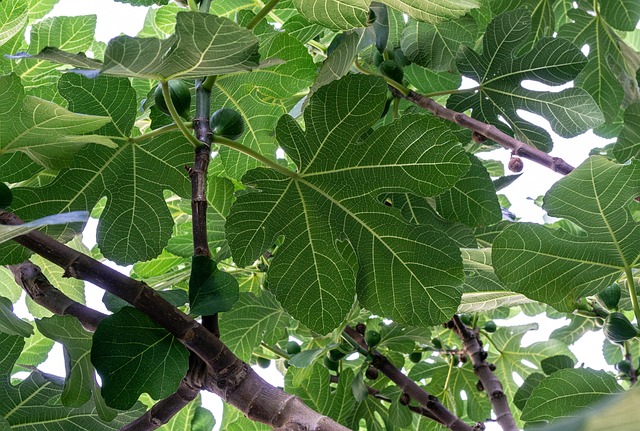
When Adam and Eve sinned, their response was driven by fear and shame. Instead of turning toward God, they turned inward to protect themselves. Scripture says, “Then the eyes of both of them were opened, and they realized they were naked” Genesis 3:7 (NIV). Awareness produced shame rather than repentance. Fig leaves became their solution for guilt. This moment introduces the pattern that shapes all human self-covering.
Shame convinces the heart that hiding is safer than healing. It whispers that exposure will lead to rejection rather than restoration. Fig leaves represent attempts to manage sin through effort, control, or image. These coverings dull discomfort temporarily but never remove guilt. What is hidden eventually resurfaces with greater force. This pattern remains visible throughout Scripture.
Human coverings fail because they are not designed to last. Effort weakens under the weight of guilt and fear. Scripture reminds us, “All our righteous deeds are like a polluted garment” Isaiah 64:6 (ESV). Even sincere discipline cannot cleanse the heart. Time exposes the weakness of self-made solutions. This truth echoes repeatedly in God’s Word.
The Withered Fig Tree
When Religion Has Leaves but No Fruit
Jesus’ encounter with the fig tree reveals spiritual emptiness masked by appearance. The tree looked healthy from a distance and promised nourishment. Yet when Jesus approached, there was no fruit. Scripture says, “But there were only leaves” Mark 11:13 (NLT). This moment was not about hunger. It was about revelation. The fig tree mirrored hollow religion.
Religion without transformation creates the illusion of life. Activity replaces intimacy with God, and performance substitutes for surrender. Like fig leaves, religious effort covers emptiness rather than healing it. Jesus exposed this pattern publicly and clearly. He showed that outward appearance cannot substitute inward renewal. This lesson speaks directly to the human heart.
The cursed fig tree demonstrated the failure of self-made righteousness. Effort cannot produce life where sin reigns. Sin demands more than discipline or appearance. It requires an exchange of life. This truth pushes the teaching forward. God’s solution must be greater than human performance.

Life Is in the Blood
God’s Requirement for Atonement
Scripture reveals that sin cannot be covered without blood. God declares, “For the life of a creature is in the blood” Leviticus 17:11 (NIV). Life answers what death has claimed. Fig leaves could hide bodies but not guilt. God established a pattern of substitution. This truth forms the foundation of atonement.
God replaced fig leaves with garments of skin. Scripture says, “The Lord God made clothing from animal skins” Genesis 3:21 (ESV). Blood was shed to provide covering. This act revealed God’s mercy and justice together. He provided what humans could not. This moment pointed forward to a greater sacrifice.
Animal sacrifices revealed God’s holiness but could not cleanse the heart fully. The law exposed sin but did not remove it. Humanity needed something greater than temporary covering. Repetition revealed insufficiency. A final atonement was required. This need drives the story toward Christ.
The Cross
Jesus Becomes the Final Atonement
Animal blood could never fully remove guilt. Scripture declares, “With his own blood… he entered the Most Holy Place once for all time” Hebrews 9:12 (NLT). Jesus became the sacrifice Himself. His blood carried eternal value. Nothing needed to be added. This moment completes God’s redemptive plan.
Christ’s atonement is final and complete. Human effort no longer holds authority over guilt. Performance is replaced by grace. Shame loses its power. Jesus invites us into healing rather than hiding. This invitation defines true freedom.
At the cross, everything lost in Eden was restored. Fear was replaced with forgiveness. Shame was exchanged for righteousness. Healing replaced hiding. Jesus did not improve human effort. He replaced it entirely. This transformation stands at the heart of salvation.
Walking in Christ’s Covering
Living Covered, Not Concealed
Believers are often tempted to reach for modern fig leaves such as performance, people-pleasing, perfectionism, or control. When shame whispers that grace is insufficient, effort feels safer than trust. Scripture reminds us, “Since we have now been justified by his blood” Romans 5:9 (NIV). Justification is received, not earned. Covering removes guilt rather than hiding it.
There is a profound difference between concealment and covering. Concealment hides sin while leaving its power intact. Covering removes guilt and restores identity through grace. When Christ’s blood addresses the root, the heart no longer needs to hide. Peace grows when you live honestly before God. This freedom reflects Christ’s finished work.
The Weight of Self-Covering
Why Shame Exhausts the Soul
Living behind self-made coverings slowly drains the heart, even when those coverings appear spiritually responsible. When effort becomes the way you manage guilt, you carry a burden God never intended you to bear. Shame requires constant vigilance, because hiding must be maintained through performance and control. Over time, this produces spiritual fatigue that prayer, service, or discipline alone cannot relieve. The soul grows weary not from obedience, but from striving without rest.
Scripture shows that God never intended His people to live under the weight of concealment. He invites honesty because truth is the doorway to healing and restoration. When shame remains unaddressed, it quietly shapes decisions, relationships, and spiritual confidence. Fear replaces freedom, and obedience becomes transactional rather than relational. Self-made righteousness eventually collapses under pressure. God’s answer has always been release, not endurance.
Resting in a Finished Work

Freedom That Flows From Trust
True spiritual rest begins when you stop adding to what Christ has already completed. Trust shifts the heart from performance to peace, allowing grace to do what effort never could. When you rest in Christ’s covering, guilt no longer defines your relationship with God. Scripture teaches that righteousness is received, not achieved. Freedom grows as trust deepens, replacing fear with confidence before God.
Living from a finished work reshapes how you pray, repent, and obey. Repentance becomes a return to grace rather than punishment for failure. Obedience flows from gratitude instead of fear. Growth becomes relational instead of forced. You no longer measure your standing by performance, but by promise. Such freedom reflects God’s intention.
Reflect and Call to Action
Take time to reflect on where you may still rely on self-made coverings instead of trusting God’s provision. Ask the Lord to reveal habits, attitudes, or patterns rooted in shame rather than faith. Consider how this teaching reshapes the way you approach repentance, prayer, and obedience. Choose one intentional step this week to bring what you hide into the light. Healing begins when effort is replaced with surrender. God’s grace meets you there.
If fig leaves expose false repentance, Scripture also shows us what true repentance actually looks like
True Repentance: When “Sorry” Isn’t Enough.
Let Me Pray For You Today
Heavenly Father, Thank You for providing what we could never achieve on our own. We confess that we often hide behind effort instead of trusting Your grace. Teach us to rest in the finished work of Christ without fear or striving. Heal the places where shame still speaks louder than truth. Draw us into freedom, peace, and honest faith. We trust You completely, in Jesus’ name, Amen.

Jeanette – Christian Writer & Bible Teacher
About the Author:
Jeanette Henninger is the writer behind Revelation Writing — a faith-based blog focused on biblical interpretation, discipleship, and spiritual growth. Her heart is to help believers deepen their understanding of Scripture, grow their faith, and walk closely with God.